Express UK Delivery
From £7.99
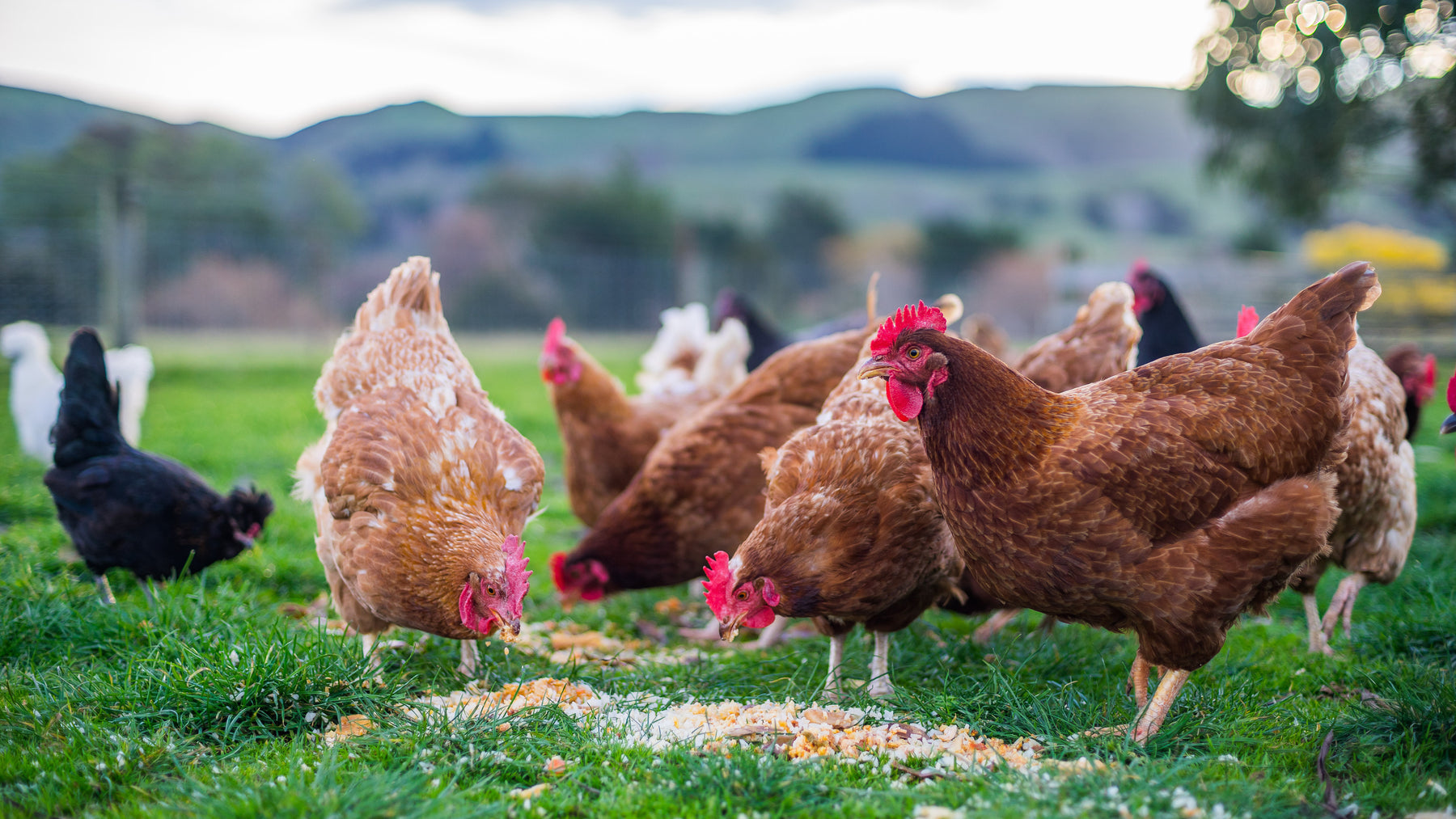
The simplest way to choose chicken feed is to start with the age of the birds and whether they are growing, laying or being finished for meat. Choose a complete feed for that stage, then check the age range and directions on the bag. The changeover age can differ between two feeds that share the same name.
Choose a complete starter feed labelled for chicks from hatch. Crumbs or micro pellets are easy for small birds to pick up. As an example, Allen & Page gives a feeding window from hatch through to six to eight weeks of age for its Smallholder Range Baby Chick Crumbs. Compare labels when you browse starter chicken feeds.
Switch gradually once the birds reach the starting age for the grower feed you’ve chosen. Grower feed provides a ration for birds that are still developing. HJ Lea Oakes’ product specification gives a starting age of four weeks for its 18% protein organic grower pellets. Check the instructions on your bag for the changeover and see HJ Lea Oakes Organic Poultry Grower/Finisher Pellets.
Layers rations provide the higher calcium levels needed for eggshell formation. Use the expected onset of lay and your feed’s directions to plan the move from grower. HJ Lea Oakes recommends gradually introducing its layers pellets about two weeks before lay. If pullets and adult hens share a run, separate feeding can help each group get its own ration. See HJ Lea Oakes Organic Layers Pellets.
Choose a grower/finisher or finisher feed labelled for the species and production stage. Follow any medication and withdrawal instructions on the label or supplied by your vet. Browse chicken finisher feeds.
The words complete feed identify the main ration for the birds described on the bag. A complementary feed is designed to be fed alongside it. Offer HJ Lea Oakes Organic Poultry Corn Pellets or Heritage Poultry Picnic separately and in moderation for adult birds.
Mix the old and new rations during a changeover as directed by the manufacturer. Check birds are still eating and that timid birds can reach feed and fresh water. If you choose an organic ration, check the certification of the exact feed on the bag.
For the manufacturer's feed stages, see HJ Lea Oakes’ organic feed specifications. For general feeding and water guidance, see the welfare code for laying hens and pullets.